WhatsAppWhatsapp us
Leave A Message
If you are interested in our products and want to know more details, please leave a message here, we will reply you as soon as we can.
Submit
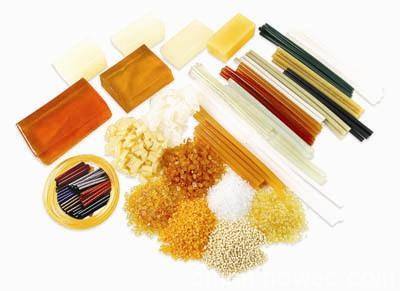
  • C5 petroleum resin has low production cost and large use. It can be made into block or granular form and used as tackifier in pressure-sensitive adhesives. Hot melt adhesive is an adhesive that is heated and melted to generate fluidity, coated on the object to be bonded, and solidified and bonded after cooling.   EVA has excellent adhesion, softness, heating fluidity and cold resistance, its cohesion is large, the melting surface tension is small, and it has adhesion to almost all substances, chemical resistance, thermal stability, weather resistance and electrical properties. Excellent, widely used in book binding, wood processing, plywood production, packaging, canning, shoemaking, etc. Usually, the hot melt adhesive with EVA as the base material needs to be blended with two or more grades of EVA as the base material. In addition to petroleum resin, inorganic fillers, antioxidants, and pigments can also be added according to user needs, such as: TiO2, carbon black, etc. Petroleum resin has good compatibility with EVA with low VA (vinyl acetate) content, but has poor compatibility with EVA with high VA content.   The preparation process of this hot-melt adhesive is as follows: add EVA, talc, and antioxidant 1010 to the reaction kettle in sequence in a certain proportion, heat to melting, stir vigorously and raise to a certain temperature, then add tackifier petroleum resin, stir for a period of time in the molten state, and then add DOP (dioctyl phthalate) to adjust the viscosity to moderate. At this time, the system is in a uniform and viscous molten state. After cooling, a yellow solid is obtained, which is a hot melt adhesive.

  • From the perspective of market trends, with the growth and maturity of emerging markets such as new energy vehicles, composite materials, and surface treatment, the per capita consumption of functional silanes in my country is still lower than that of developed countries. In the future, sales of functional silanes will continue to grow. The speed remains stable. It is estimated that by 2023, the total production capacity of functional silane will reach 564,000 tons, the total output will reach 389,000 tons, and the consumption will reach 278,000 tons in the same period.   From the perspective of product trends, after years of development, the variety, quality and output of Functional Organosilane in my country have made great progress. With the rapid development of emerging industries such as solar energy, lithium batteries, LED lamps, and 5G networks, the demand for additives in sealants and adhesives is also increasing. For example, in room temperature vulcanized silicone rubber, the demand for neutral rubber is growing rapidly, the deketoxime type rubber has become the mainstream of the market, and the acid type rubber is shrinking. The future development of neutral rubber will be a general trend. In addition, the development of domestic conventional functional silanes is very rapid, but the development of high-end functional silanes is still significantly different from that of foreign countries. In the future, my country's functional silanes will develop in the direction of high-end, specialization and novelty.   From the perspective of competitive trends, in recent years, the functional silane industry has experienced significant consolidation after explosive growth. Some small enterprises have withdrawn one after another, and production capacity tends to be concentrated in large enterprises. At the same time, under the background of stricter safety and environmental protection requirements and continuous advancement of supply-side reforms, silane enterprises will develop in the direction of scale, integration and regionalization.   In 2022, ECOPOWER plans to produce 7000T/Y of new functional organosilane products. If you need more information. Please contact us: sale@ecopowerchem.com, information@ecopowerchem.com    

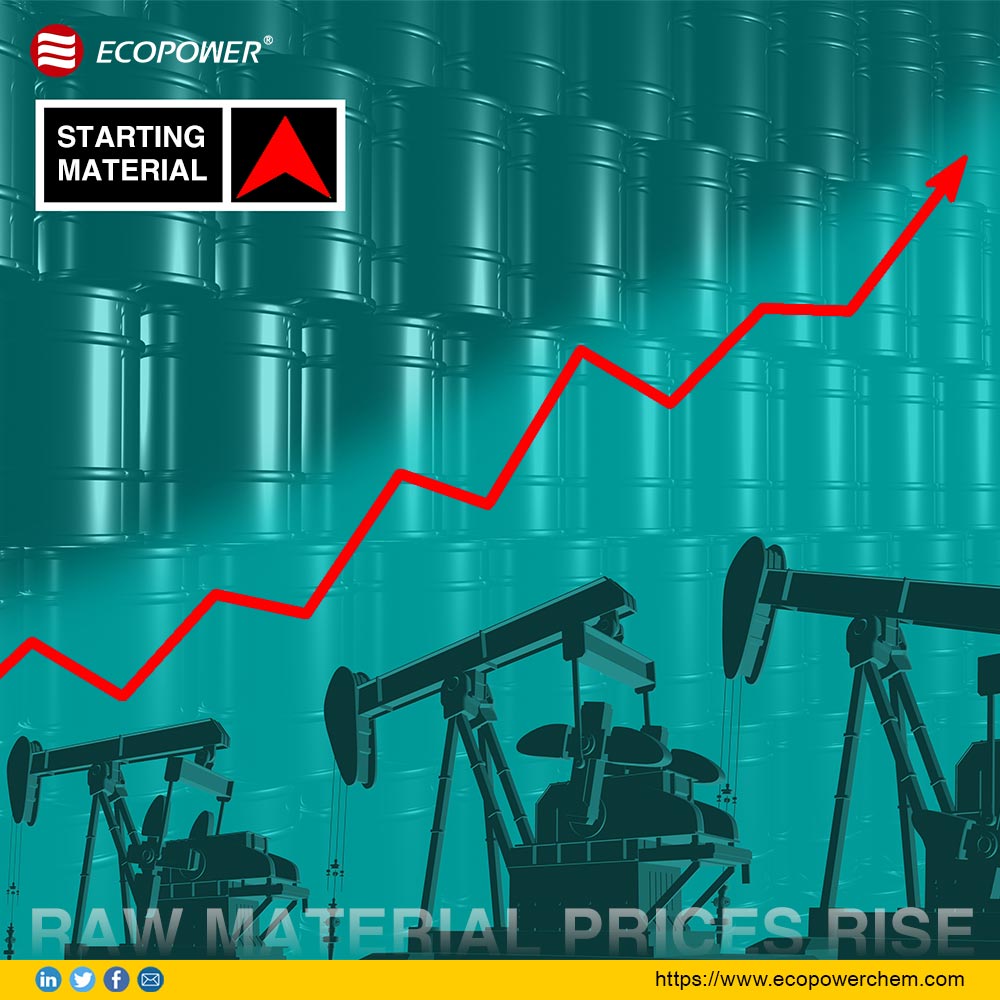
  • Precipitated Silica At the beginning of 2022, the price of silica raw materials will continue to rise, and the middle and downstream enterprises cannot bear the pressure. The letter of price increase emerges one after another! Recently, another large downstream listed company said that it is difficult to bear the cost pressure of rising raw materials and will implement price increases from March 1. The company said that in the context of soaring raw material prices and rising logistics costs, the company will adjust product prices in July 2021. However, since the last price adjustment, raw material prices have continued to rise sharply, logistics are tight, and energy costs remain high. In the event of unavoidable cost increases, the company will continue to make every effort to ensure a stable supply of products, such as increased productivity and substantial cost reductions. But in the case that the company's efforts are far beyond the limit, as a last resort, the company will adjust the product price again. More information feels free to contact us.   Petroleum resin The continued rise in oil prices has attracted investors' attention. The rise and fall of crude oil prices will have an impact on the credit fundamentals of many sub-sectors, which in turn will affect the subsequent performance of related credit bonds, of which the chemical industry has the greatest impact. Among them, in terms of resins, solid and liquid epoxy resins will rise by nearly 3,000 yuan/ton in 2022, solid epoxy resins will rise by nearly 2,000 yuan/ton in 2022, and polyester resins will also be affected by upstream neopentyl glycol and isobutyraldehyde. The increase was 500-800 yuan / ton, and the supply was in short supply. Thank you for your continued attention, and you can contact us if you have any needs.    

  • The European Chemicals Agency (ECHA) has added four hazardous chemicals to the Candidate List. For example, two of them are used in rubbers, lubricants and sealants because they can negatively impact fertility. Harmful to Human Health One of these four substances is used in cosmetics and has been added to the candidate list for its hormone-disrupting properties in the human body. The fourth is used in lubricants and greases because it is persistent, bio accumulative, and toxic, and is therefore environmentally harmful. Companies have a responsibility to manage chemicals safely and to provide adequate information to their customers and consumers. Items added to shortlist on January 17, 2022 No. Substance name EC number CAS number Reason for inclusion Examples of uses 1 6,6'-di-tert-butyl-2,2'-methylenedi-p-cresol 204-327-1 119-47-1 Toxic for reproduction Rubbers, lubricants, adhesives, inks, fuels 2 tris(2-methoxyethoxy)vinylsilane 213-934-0 1067-53-4 Toxic for reproduction Rubbers, plastics, sealants 3 (±)-1,7,7-trimethyl-3-[(4-methylphenyl)methylene]bicyclo heptan-2-one covering any of the individual isomers and/or combinations thereof (4-MBC) - - Endocrine disrupting properties Cosmetics 4 S-(tricyclo(5.2.1.02,6)deca-3-en-8(or 9)-yl O-(isopropyl or isobutyl or 2-ethylhexyl) O-(isopropyl or isobutyl or 2-ethylhexyl) phosphorodithioate 401-850.9 255881-94-8 PBT Lubricants, greases These substances may be placed on the Authorization List in the future. Inclusion on that list means that the use of the substance is prohibited unless a company receives an authorization to continue its use from the European Commission.   Our product Crosile®1098 is safe and harmless and can be used in Rubbers, plastics, sealants. Crosile®1098 is excellent as an adhesion promoter, dispersion and hydrophobation agent in mineral field compounds. Crosile®1098 can be used in many other applications such as filler and pigment coating, it can replace Crosile®172 (Vinyltris(2-methoxyethoxy) silane), which will not produce harmful substances and no volatile substances. The vinyl functional groups of Crosile®1098 react with the polymer phase in the presence of radicals: A major field of application for mineral filled compounds is the cable industry, EPDM and EVA can be processed into highly filled cable compounds through the adhesion promoting and hydrophobicity effect of Crosile®1098.

  • Recently, several ports in Southeast Asia have experienced port congestion in succession: The congestion rate of PortKlang in Malaysia is 14.5% higher than normal; The congestion rate of Tanjung Pelepas port (Tanjung Pelepas) was 29.9% higher than usual; Jakarta's container hub Tanjung Priok (Tanjung Priok) was 6.7% higher than normal; Manila's congestion rate also increased by 6.5%. Moreover, the ship schedule is chaotic and the shipping company has no reason to postpone it. According to people familiar with the matter, because the boats are bidding for routes and won the bids for the Philippines and Japan routes, the Singapore and Malaysia routes have to be transferred from the Philippines and Japan routes at a high price. This kind of turmoil directly leads to the price of Southeast Asia routes. Biaosheng, repeating the situation of the European and American routes last year. Due to the shortage of ships, all freight forwarders announced emergency price increases, with an average increase of 100 yuan per cubic meter. Previously, the seller's cost has nearly doubled due to the increase in the price of raw materials. The impact of this new round of logistics price increases on sellers in Southeast Asia is self-evident. A freight forwarder urges shippers to ship as soon as possible: Southeast Asia has recently burst into price increases, and today’s high prices are tomorrow’s low prices!

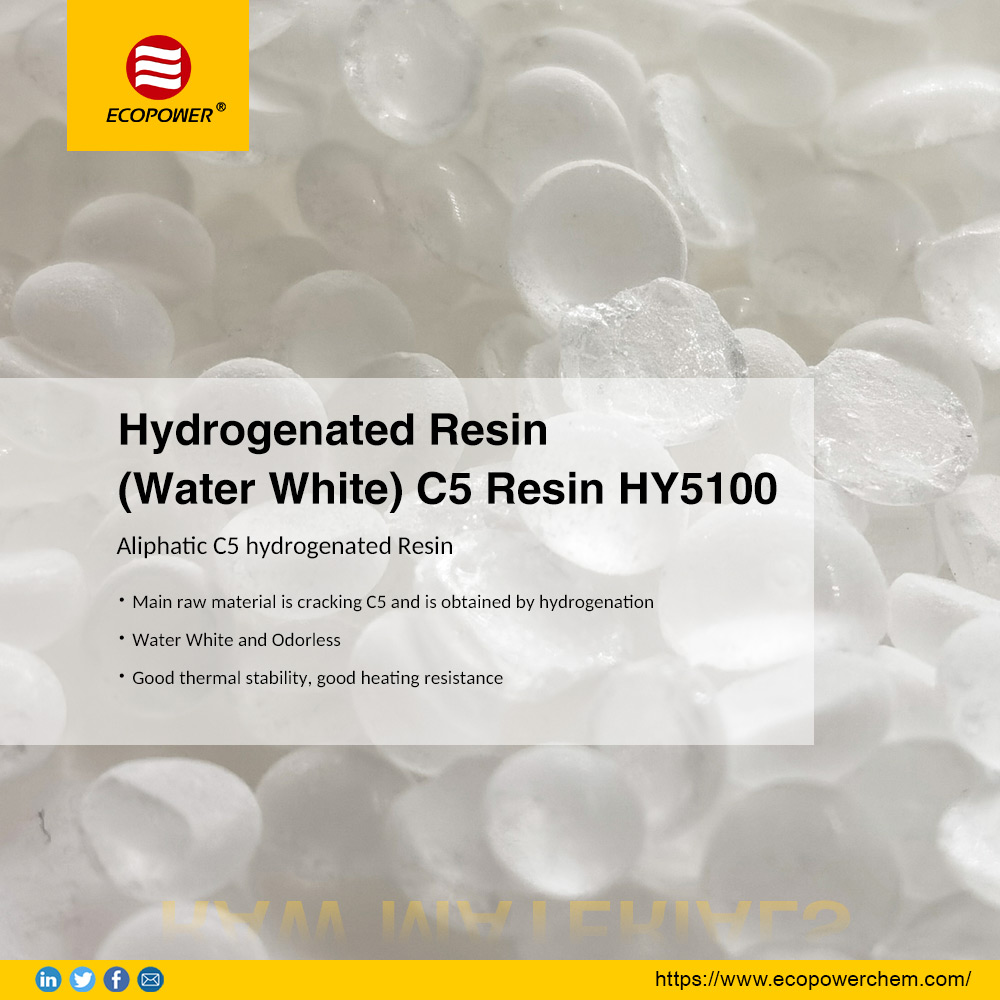
  • Hydrogenation modification mainly includes three methods: slurry, fixed, and spray, one-stage or two-stage hydrogenation process can be used. The hydrogenation process is to mix resin and solvent, and then pass hydrogen in the presence of a catalyst after heating. The hydrogen from the hydrogenation reactor can be passed into the reactor together with fresh hydrogen to achieve the purpose of recycling. The reaction product gas extracts the solvent, and after cooling, it becomes the hydrogenated petroleum resin. Hydrogenated resins are mainly used for hot solvents, especially transparent hot solvent, it can increase the adhesion and reduce the cost. In the market, petroleum resin is developing in the direction of high value-added products, and its added value mainly lies in its deodorizing effect and its heat resistance. The high-quality petroleum resin on the international market has a chromaticity of less than 3# and a softening point above 100°C. Hydrogenated petroleum resin technology is generally used, and the application field is continuously expanding. In the adhesive industry, ECOPOWER's Hydrogenated Petroleum Resin HY5100 has outstanding achievements. This not only reduces the production cost, but also significantly improves the chromaticity, compatibility and aging resistance of the adhesive. C5 hydrogenated petroleum resin is used to produce adhesives for disposable paper diapers and special sanitary napkins. More information about Hydrogenated Petroleum Resin HY5100: China Best Odorless Hydrogenated C5 Water White Resin HY5100 For PSA Adhesives | ECOPOWER

  • The background of the Electricity shortage as below: 1. According to the latest China Electricity Council data, electricity consumption during the first seven months of this year soared by 15.6 percent year-on-year to 4.7 trillion kilowatt-hours. With the pricing of electricity strictly controlled by the government,which is calculating the economic effects of the inevitable rise in electricity price, the thermal power plants, which have long survived on meager profits, are reluctant to run full steam ahead, as the more power they generate the more losses they will have to sustain. 2. China's pledge to achieve carbon neutrality only 30 years after peaking carbon dioxide emissions. It needs to reduce its carbon emissions, especially for large amounts of energy-consuming industries, such as electrolytic aluminum and polysilicon had to reduce their capacity now. Small scale factories will close. The supply chain will face some shortage of the raw material and limited supply in China. It will make all of the cost at high level. It will last till Q1 2022 and most of cities faced such problem. ECOPOWRE, our factory will also actively cooperate with the requirements of the country while ensuring stable supply, saving energy and reducing emissions, saving electricity and saving resources. Ecopower New Material Co., Ltd is among the global leading suppliers of Speciality Chemical Additives. Relying on the continuous innovation, commercialized facilities and efficient operation, the company provides customers with more competitive products and solutions. Ecopower was established in 2003. It's mainly engaged in the research, manufacture of Chemical additive raw materials. Company has scientific management and obtained ISO9001, ISO14001, IATF16949, REACH ,SGS ROHS,PAHs certifications and patents. Our products have been exported to 60 countries. Silane coupling agent (Crosile 69, Crosile 75, Crosile 189, Crosile 1891, Crosile 172, Crosile 171…) Precipitated silica (White carbon, Silicon dioxide silica, Matting agent) Petroleum hydrocarbon resins (C5, C9, Copolymer resin, Coumarone indene resina, Hydrogenated hydrocarbon resin) Gum Rosin and Rosin Ester Derivatives (Gum rosin, Pentaerythritol ester, Rosin glycerol ester, Maleic acid rosin resin) CSM rubber(Hypalon rubber, Chlorodulfonated polyethylene rubber) Feel free to contact with us, we could provide high quality product with good price.

  • We specialize in providing silane coupling agents for 15 years, with product quality assurance, and stable long-term cooperation. The following are our products Crosile172 and Crosile171, they can be used in the field of industrial production: ECOPOWER Crosile172 is a vinyl-functional coupling agent that promotes adhesion among unsaturated, polyester-type resins or crosslinked polyethylene resins or elastomers and inorganic substrates, including fiber glass, silica, silicates and many metal oxides. When used as coupling agent, it reduces the sensitivity of the products’ mechanical and electrical properties to heat and/or moisture. Crosile171 Vinyltrimethoxysilane (VTMO) is a silane coupling agent with a silicon and hydroxyl groups that can be used to enhance the wettability and improve the superhydrophobic characteristics of different composites. Crosile171 VTMO may be used to provide superhydrophobicity to different materials like TiO2, talc, kaolin, magnesium oxide nanoparticles, ammonium phosphate and PEDOT. It modifies the surface by capping the material and creates a protective layer that is water resistant and can be used in major coating industries.

  • Crosile-69: High-Efficiency Silane Coupling Agent  Chemical Name: Bis[3-(Triethoxysilyl)Propyl]Tetrasulfide        Molecular Formula: C18H42O6S4Si2 Molecular Weight: 538.94        CAS Number: 40372-72-3 Introduction to Crosile-69 Crosile-69 (Bis[3-(Triethoxysilyl)Propyl]Tetrasulfide) is a highly effective silane coupling agent widely used in the rubber industry, tire manufacturing, and composite material modification. Its unique molecular structure significantly enhances the properties of rubber and other materials, improving mechanical performance, filler dispersion, wear resistance, aging resistance, and environmental sustainability. Key Properties of Crosile-69 • Appearance: Low viscosity, light yellow to transparent liquid with a slight odor • Density (ρ20): 1.069 g/cm³ • Sulfur Content: ≥22% • Refractive Index (nD25): 1.493 • Solubility: Easily soluble in many organic solvents (e.g., ethanol, acetone, toluene), but very low solubility in water Functional Groups of Crosile-69 1.Tetrasulfide Bridge (-S4-): The sulfur bridge allows Crosile-69 to undergo crosslinking reactions during rubber vulcanization, improving rubber strength, hardness, and elasticity.   2.Triethoxy Silane Group (-Si-OCH2CH3): Hydrolyzed to form silanol (-Si-OH), which can react with hydroxyl or carboxyl groups in the rubber matrix, strengthening the bond between the rubber and inorganic fillers. Mechanism of Action of Crosile-69 Crosile-69 improves rubber properties through three main reaction mechanisms: 1.Hydrolysis and Condensation Reaction: In the presence of water or moisture, the ethoxy groups in Crosile-69 hydrolyze into silanols (-Si-OH). These silanols react with hydroxyl (-OH) or carboxyl (-COOH) groups on the surface of inorganic fillers, forming siloxane bonds (Si-O-C), enhancing the mechanical properties of rubber. 2.Coupling Reaction with Rubber Matrix: The silane groups in Crosile-69 react with functional groups (e.g., hydroxyl or carboxyl) in the rubber matrix, forming siloxane bonds, which improve the bonding between the rubber and fillers, enhancing properties such as tear resistance and aging resistance. 3.Reaction During Vulcanization: The tetrasulfide bridge (-S4-) in Crosile-69 breaks during vulcanization, generating active sulfur intermediates (such as -SH), which can crosslink with double bonds (C=C) in the rubber matrix, forming a stable vulcanization network and further enhancing rubber performance. Advantages and Characteristics of Crosile-69 • Improved Filler Dispersion: Crosile-69 significantly improves the dispersion of inorganic fillers (e.g., silica, carbon black) in the rubber matrix, reducing filler agglomeration and enhancing the uniformity and physical properties of rubber products. • Enhanced Mechanical Properties: Crosile-69 enhances the tensile strength, tear resistance, shear resistance, and durability of rubber, making it ideal for high-...

Leave A Message

Leave A Message
If you are interested in our products and want to know more details, please leave a message here, we will reply you as soon as we can.
Submit
Contact Us:+86 138 0279 3127

Home

Products

whatsApp

contact