WhatsAppWhatsapp us
Leave A Message
If you are interested in our products and want to know more details, please leave a message here, we will reply you as soon as we can.
Submit
  • The parameters of petroleum resins have a significant impact on the performance of adhesives. Let's explore a few key factors that influence the adhesive properties: Compatibility: The compatibility between the tackifying resin and the polymer matrix is crucial. When the resin and polymer have similar polarity and molecular weight, they are more compatible, resulting in better adhesion. Wax Cloud Point: The wax cloud point is a measure of the resin's molecular weight, polarity, and distribution. It affects the initial tack strength, cohesive strength, and peel strength of hot-melt adhesives. Finding the right balance is essential. Softening Point: The softening point of petroleum resins increases with higher molecular weight and more cyclic structures. A higher softening point enhances cohesive strength, allowing for stronger adhesion and wider temperature application ranges for hot-melt adhesives. Melt Viscosity: The melt viscosity of petroleum resins depends on their molecular weight, distribution, and structure. Narrow molecular weight distribution resins tend to have higher viscosity, affecting their flowability during processing. Additionally, factors like thermal stability, color, and odor of petroleum resins also impact the durability, aesthetics, environmental friendliness, and the health of adhesive users. High-quality petroleum resins should have good thermal stability, low color, and minimal odor. By understanding these parameters and selecting suitable petroleum resins, adhesive manufacturers can develop high-quality adhesives with desirable characteristics for various applications.   More information: Petroleum Hydrocarbon Resin C5 Manufacturer    C9 Thermal-Polymerization Hydrocarbon Resin: Properties, Applications, and Modifications    Good Viscosity Hydrogenated Water White Resin for Hot Melt Pressure Sensitive Adhesive

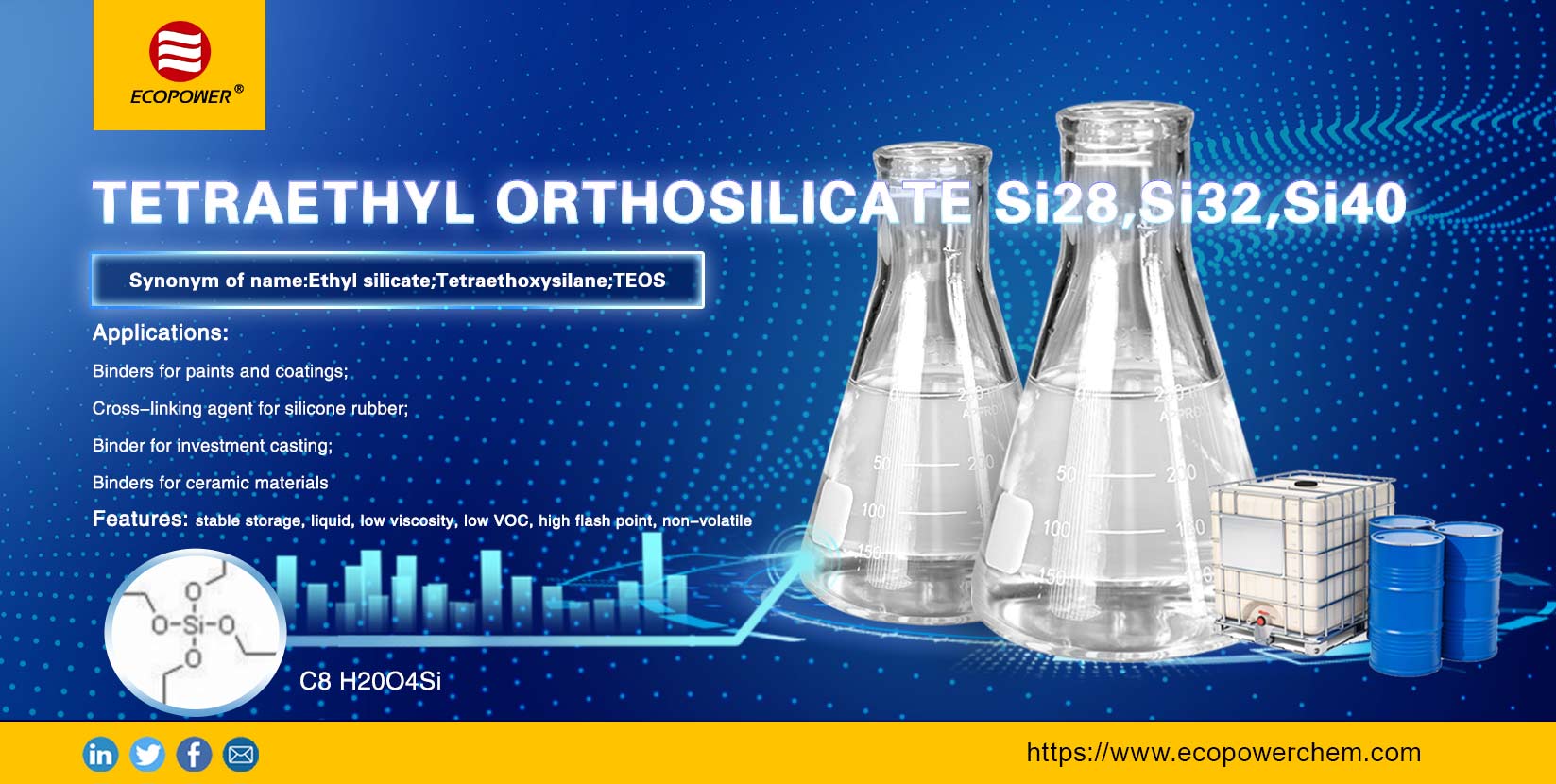
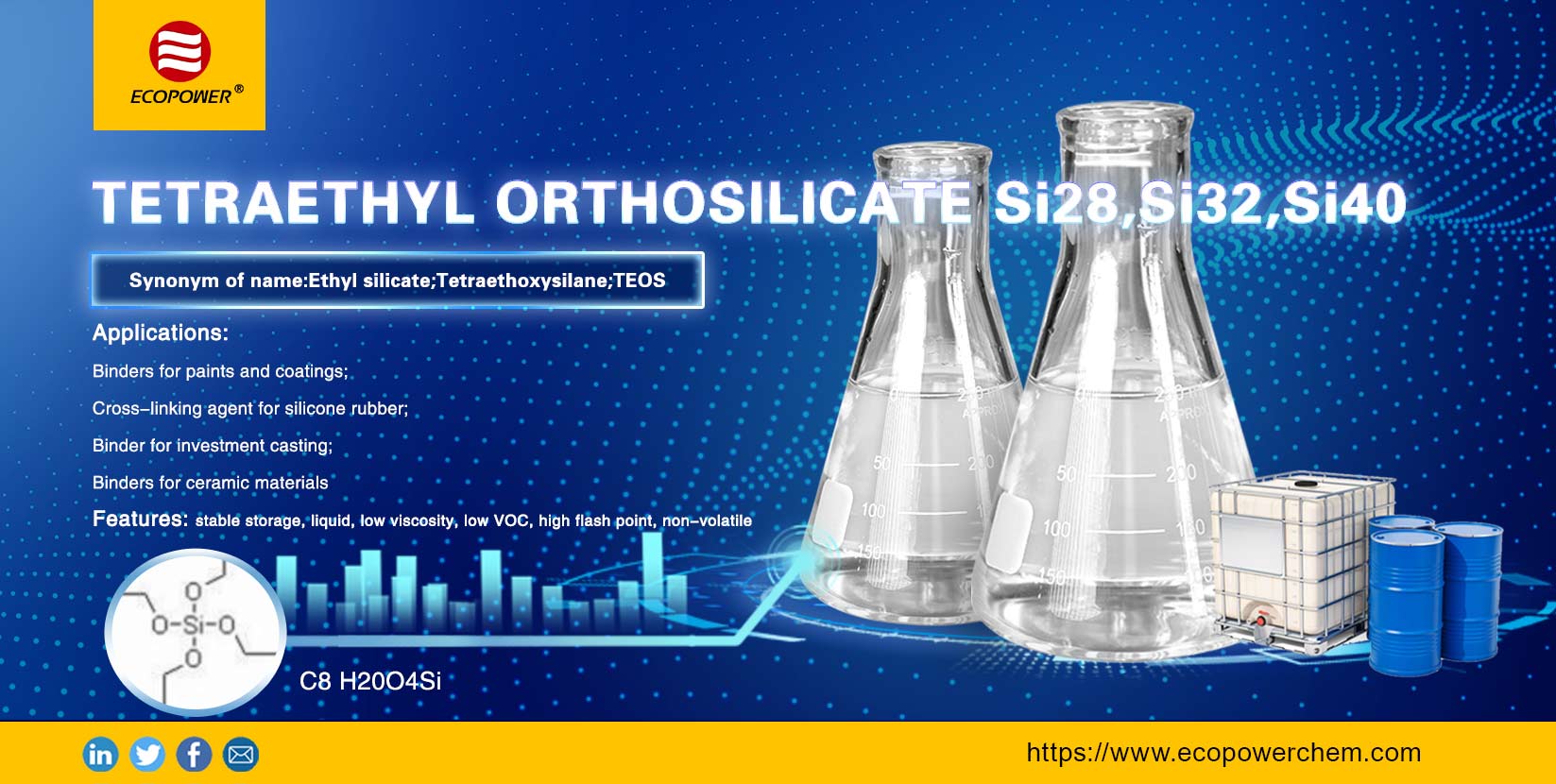
  • Is TEOS a silane? TEOS (Tetraethyl orthosilicate) is a silane coupling agent. TEOS (Tetraethyl orthosilicate) is a colorless, low viscosity liquid that is a precursor for producing silica and related materials. It is also known as silicon tetraethoxide or tetraethyl silicate. TEOS is commonly used in the production of coatings, adhesives, sealants, and composite materials due to its ability to form a stable network of silica particles when it reacts with water. The resulting silica network enhances the mechanical properties of the final product, such as improved hardness, abrasion resistance, and durability.   What is Tetraethyl orthosilicate used for? TEOS is primarily used as a precursor for producing silica and related materials. It is commonly used in the production of coatings, adhesives, sealants, and composite materials. Additionally, TEOS is utilized in the semiconductor industry as a starting material for the production of silicon dioxide thin films. It is also used as a crosslinking agent and adhesion promoter in various industrial applications. Crosile Si28,32,40 are widely used in machinery manufacturing, high-grade anti-corrosion coatings and heat-resistant coatings, organic synthesis, telecommunications machinery and other industries. Stable storage, liquid, low viscosity, low VOC, high flash point, non-volatile; l  Binders for paints and coatings; l  Cross-linking agent for silicone rubber; l  Binder for investment casting; l  Binders for ceramic materials   More information: Silane Coupling Agent Tetraethyl Orthosilicate (TEOS) Crosile Si28 Si32 Si40 

  • What is petroleum resin used for? Petroleum resin has a wide range of applications due to its excellent properties and versatility. Some of the common uses of petroleum resin include: Adhesives: Petroleum resin is widely used in the formulation of hot-melt adhesives due to its good adhesion properties and high softening point. Coatings: Petroleum resin is used in the formulation of various coatings, including industrial and automotive coatings, due to its excellent compatibility with other resins, good adhesion, and high gloss. Printing inks: Petroleum resin is used as a binder in the formulation of printing inks, including flexographic and gravure inks, due to its excellent solubility, high gloss, and good adhesion. Rubber compounds: Petroleum resin is used as a tackifier in rubber compounds, such as tires and footwear, to improve their adhesion properties and durability. Packaging: Petroleum resin is used in the formulation of packaging materials, such as shrink films and tapes, due to its excellent adhesion properties and high softening point.   What are the properties of petroleum resin? Petroleum resin, also known as hydrocarbon resin, is a synthetic resin that is derived from petroleum or natural gas. It is a thermoplastic polymer that is widely used in the manufacturing of various products, including adhesives, coatings, printing inks, rubber compounds, and many more. Petroleum resin is produced through the polymerization of petroleum-derived monomers, such as styrene, vinyltoluene, and alpha-methylstyrene. The resulting resin has a wide range of properties, including good adhesion, high softening point, excellent thermal stability, and resistance to chemicals and moisture. There are several types of petroleum resins available in the market, each with its unique properties and characteristics. Some of the commonly used types include aliphatic resins, aromatic resins, and modified resins. Good adhesion: Petroleum resin has excellent adhesion properties, making it an ideal material for use in adhesives, coatings, and sealants. High softening point: Petroleum resin has a high softening point, which makes it useful in applications that require high-temperature stability. Excellent thermal stability: Petroleum resin has excellent thermal stability, making it resistant to heat and oxidation. Chemical resistance: Petroleum resin is highly resistant to chemicals, making it useful in the formulation of products that require chemical resistance. Water resistance: Petroleum resin is highly water-resistant, making it useful in the formulation of products that require water resistance. Versatility: Petroleum resin is a highly versatile material that can be formulated to have specific properties to meet various application needs. Transparency: Petroleum resin is highly transparent, making it useful in the formulation of products that require transparency.   About Ecopower New Material Ecopower is a chemical additive company that specializes in...

  • Silane coupling agents, such as Tetraethyl Orthosilicate (TEOS) Crosile Si28 Si32 Si40, are widely used in various industrial applications. TEOS is a partially hydrolyzed mixture of monomers, dimers, trimers, higher polymers, and cyclic polysilicates, which makes it a versatile compound. Ethyl silicate Crosile is a concentrated form used to obtain usable silica. This coupling agent is commonly used in optical glass, chemical resistant paint, and adhesive production. TEOS is a colorless liquid that degrades in water and is highly flammable. It is the most common silicon alkoxide, and its equivalent types include Ethyl silicate28, tetraethyl orthosilicate, silicon ethoxide, and more. TEOS can form a strong bond with various substrates, including glass, ceramics, and metals, making it ideal for coating applications. Silicon ethoxide Si28,32,Si40 is a type of silicon alkoxide that is widely used for producing high-temperature resistant and corrosion-resistant coatings. It is a clear, colorless liquid with a strong odor and is highly flammable. This compound is known for its high-temperature resistance and excellent resistance to corrosion, which makes it ideal for protective coatings used in harsh environments. Silicon ethoxide Si28,32,Si40 can also be used as a crosslinking agent in the production of silicone rubber and other high-performance materials. In summary, silane coupling agents such as Tetraethyl Orthosilicate (TEOS) Crosile Si28 Si32 Si40 are versatile and valuable materials in various industrial applications. They offer unique properties and excellent protection in challenging environments, making them a popular choice for producing high-performance coatings and materials.

  • In Polyolefin Film, BOPP, PP, PE Film 20-30% SIS+30-60% hydrogenated resin C5 HY-5100 +Liquid elastomer. This recipe of adhesive has strong yellowing resistance, and can improve the deformation resistance of polyolefin films.   In Book Binding Adhesive, Woodworking Adhesive, Sealant, Sanitary Product Sanitary Glue 20% EVA/SBS/SEBS/SIS+c5 c9 hydrocarbon resin HC-52110 + elasticizer + antiaging agent + wax   In Tapes and Labels 40% c5 hydrocarbon resin HY-5100 +20% SBS+35% elasticizer +5% antiaging agent/antioxidant agent.   High Temperature Resistant HMPSA 12% NR+ 12% SBS +22% hydrocarbon resin HC51100 petroleum resin+20% terpene resin +10% Alkyl phenolic resin + 14% naphthenic oil +3% rubber accelerators + 2% antiaging agent.   HMPSA for High Speed Automatic Labeling 45% c5 petroleum resin HC-5100 + 40% SIS + 10% naphthenic oil +2-5% calcium carbonate +1-3% PE wax +1% antiaging agent. This adhesive has advantage of environmental protection and low cost. At the same time, it has high initial tack and persistent tack, and has excellent die-cutting performance.   In Plaster 30-70 copies of SIS+ 20-70 copies of hydrogen resin C5 HC-5090+ 40-80 copies of elasticizer +1-5 copies of antiaging agent. The HMPSA is transparent, compliant, does not cause skin allergies, is environmentally friendly, and has a good anti-aging/oxidative degradation effect; the transdermal ointment prepared by this method has a large drug loading capacity and strong drug efficacy.   Summary Adding C5 petroleum resin to the pressure-sensitive adhesive can improve the adhesion, acid resistance, alkali resistance and water resistance of the adhesive, and can greatly reduce the production cost. More information feel free to contact our manager Edward Lu<sales07@ecopowerchem.com>.

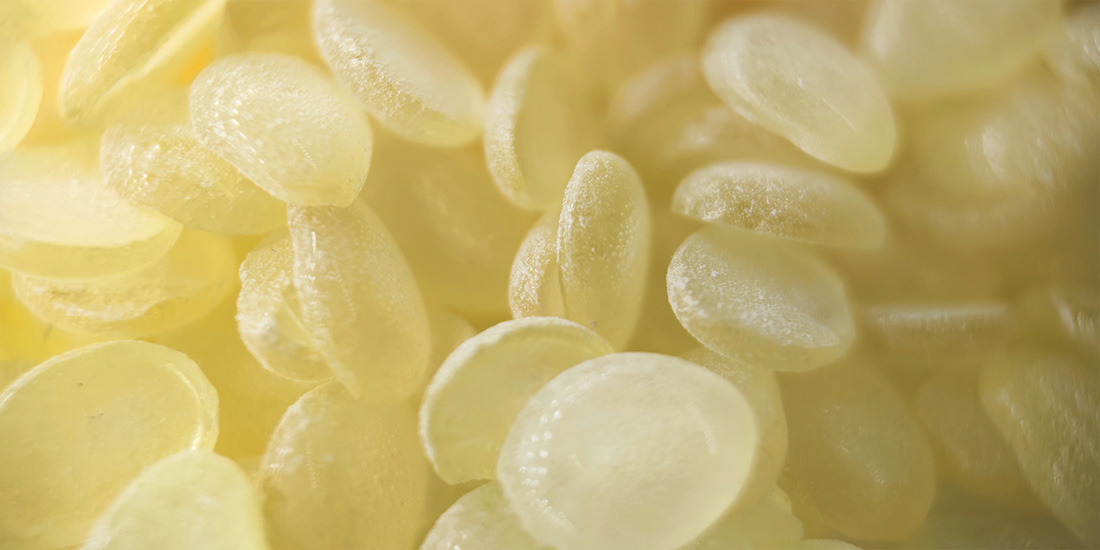
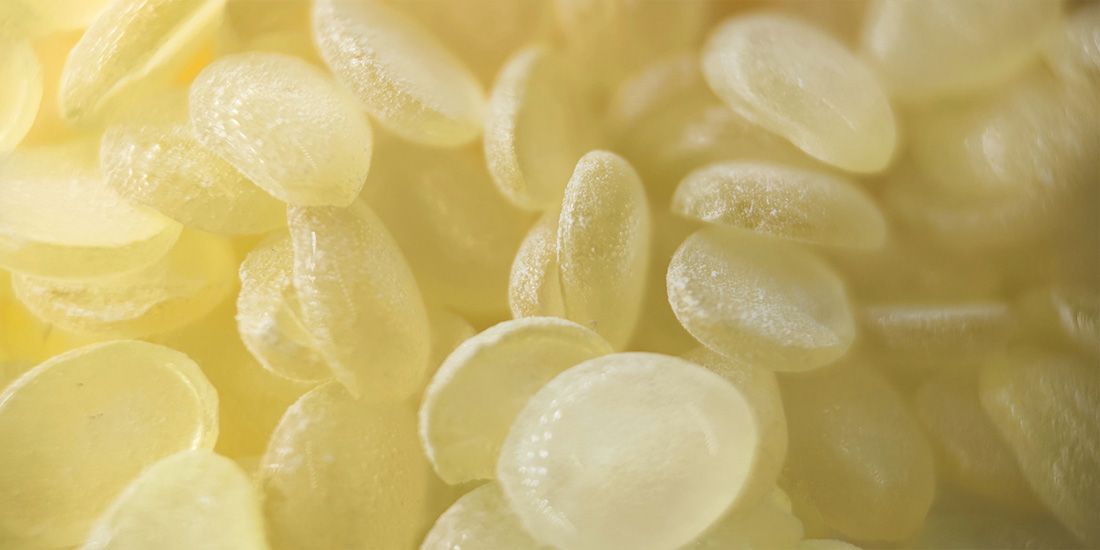
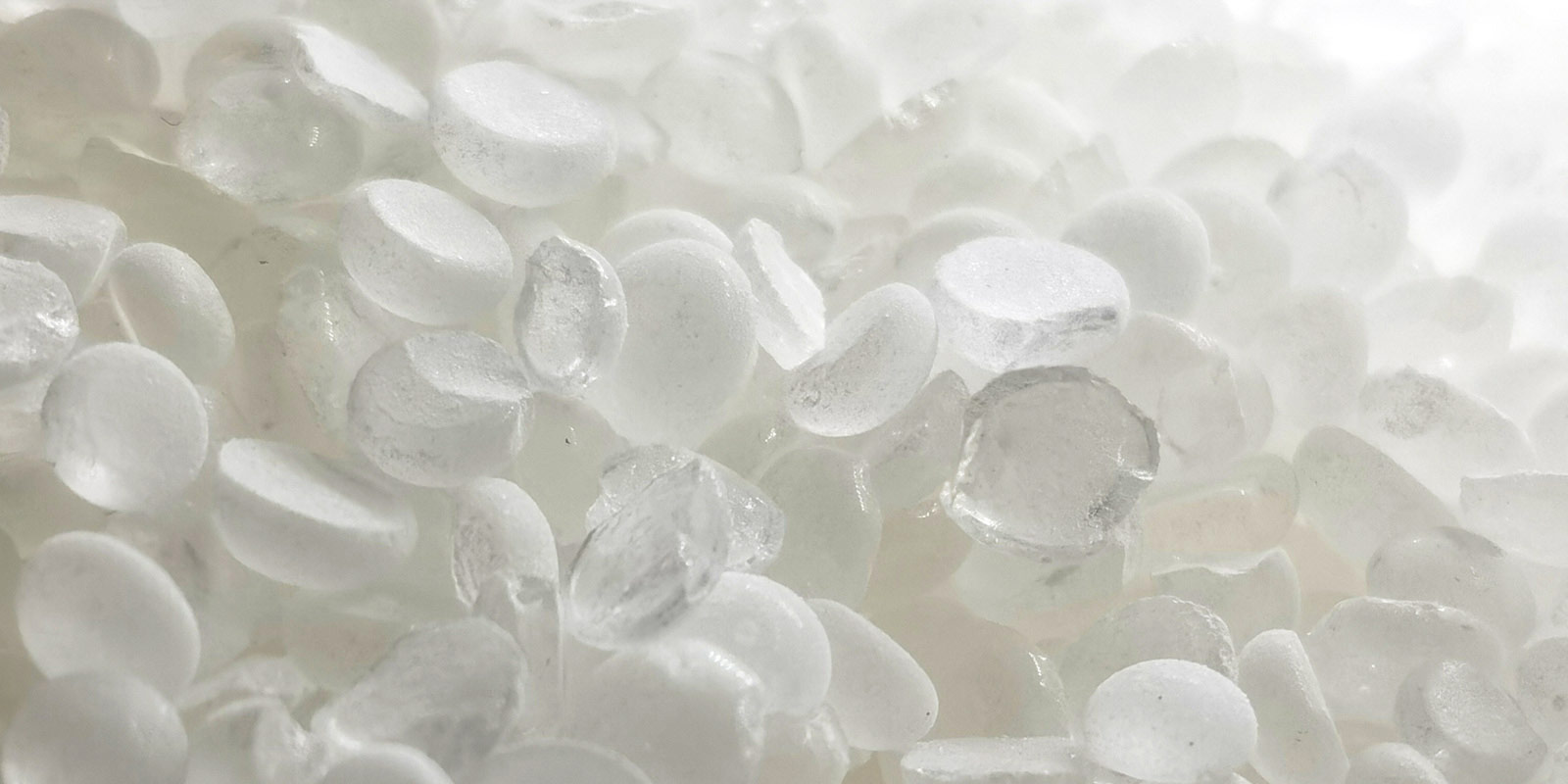
  • C5 Hydrogenated Petroleum Resin Features and Applications   C5 hydrogenated petroleum resin is made from the C5 resin fraction of ethylene cracking as raw material, and is formed by cationic polymerization of dienes and monoenes in the C5 component. The density is about 1.0, easily soluble in organic solvents, such as benzene, toluene, xylene, various types of solvent oil, etc., and insoluble in water. The appearance is granular solid, white or yellow in appearance, fragile, easy to generate dust, non-toxic, tasteless, non-flammable and explosive (note: environmental protection). Features C5 hydrogenated petroleum resin has good tackiness, compatibility, heat stability and light stability, and can improve the adhesive performance of adhesiveness. It is an essential tackifier component of hot melt adhesives and pressure sensitive adhesives.   Application field Widely used in hot melt adhesives, pressure sensitive adhesives, structure and decoration of construction industry, automobile assembly, tires, commodity packaging, book binding, sanitary products, shoemaking, hot-melt road marking paint, colored asphalt and other industries. As a paint additive, it can accelerate the drying speed of the paint film, improve the water resistance, acid and alkali resistance, aging resistance, surface hardness and gloss of the paint. It is used for welding type road marking paint, which has the characteristics of fast drying speed, strong adhesion, durability, weather resistance, good thermal stability, and no solvent.

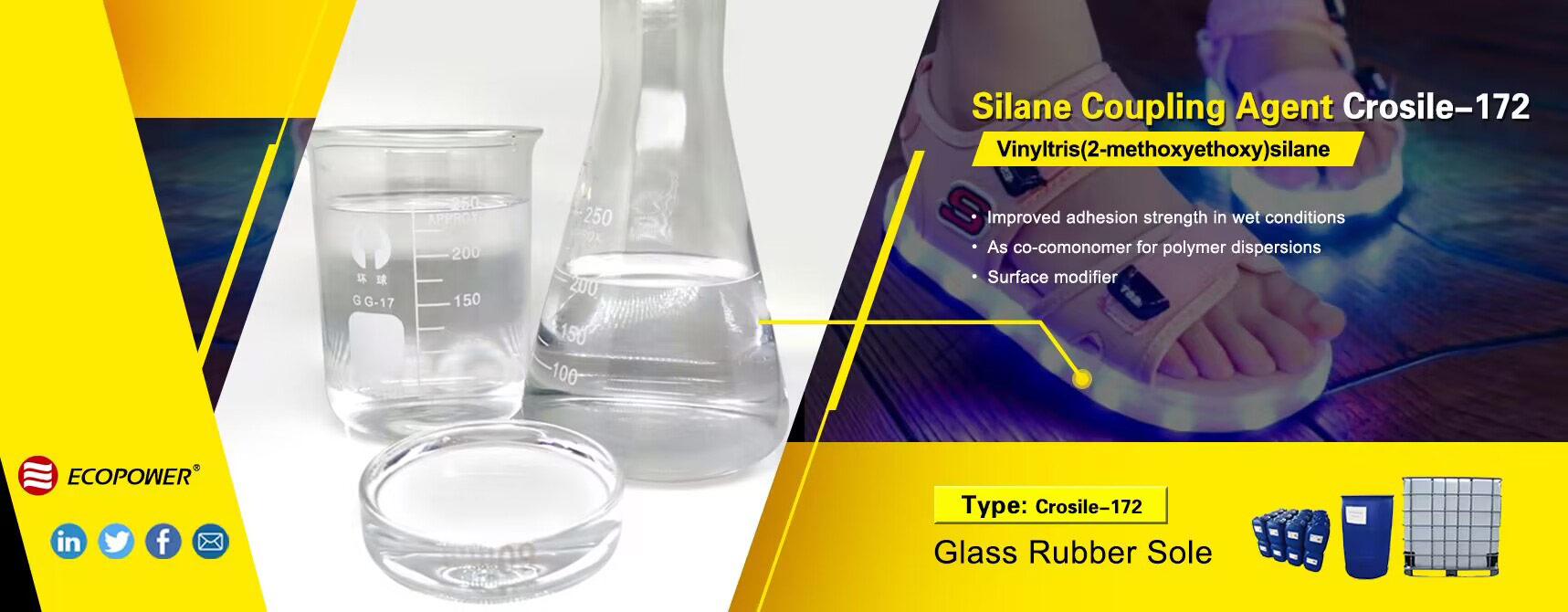
  • Typical Application of Vinyl Silane Coupling Agent   Crosile®172 Vinyl tris(2-methoxyethoxy) silane is a bifunctional molecule that can react with both inorganic fillers and organic polymers. Can be used as an adhesion promoter for many minerals: aluminum hydroxide, magnesium hydroxide, kaolin, silica, etc. filled polymers, improving their mechanical and electrical properties, especially after exposure to moisture. Better results. Once combined with inorganic fillers, Crosile® 172 Vinyltris(Beta-Methoxyethoxy)Silane will hydrophobize the filler surface, this effect can improve the compatibility of fillers and polymers, resulting in better dispersion, lower melt viscosity and easier processing of filled plastics. Modify ultrafine powders such as aluminum hydroxide, magnesium hydroxide, kaolin, and silicon dioxide, so that ultrafine powders with large surface area, surface energy, and surface activity and strong adsorption tendency can achieve the best modification effect, fundamentally Above all, the problems of coalescence of ultrafine particles, insufficient modification and uneven dispersion are solved. Active halogen-free flame retardants made of modified aluminum hydroxide and magnesium hydroxide are widely used in (ships, aircraft, mines, subways, power stations, conveyor belts, etc.) wire and cable, electrical switches, engineering plastics, decorative materials, Flame retardant for coatings and fabrics. In the manufacture of wires and cables, this product is widely used to treat fillers [AL(OH)3, Mg (OH)2, quartz, titanium dioxide, etc.] of cross-linked polyethylene composites to improve the physical properties of fillers and protect the interface from Moisture erosion. The proportion of filler can be increased, and the tensile strength can be doubled, and the dielectric constant can be increased tenfold. Crosile®172 is also used in high voltage cable formulations of ethylene-propylene copolymers and ethylene-propylene-diene terpolymers to treat talc, quartz, and fillers. It can improve the electrical and mechanical properties of the cable insulation layer. It has the advantages of shortening mixing time, rapid extrusion, and improving mold wear. In view of the advantages of low comprehensive cost and good process performance of this product, it has been adopted by the industrial standard specification of American ethylene propylene copolymer, ethylene, propylene diene EPDM rubber and cross-linked polyethylene wire and cable. In cross-linked polyethylene and surface track. The addition of modified polypropylene to this product can improve the adhesion of these polymers to the surface of inorganic fillers. This product can also be used to improve the adhesion of acrylic paints to the surface of inorganic fillers.

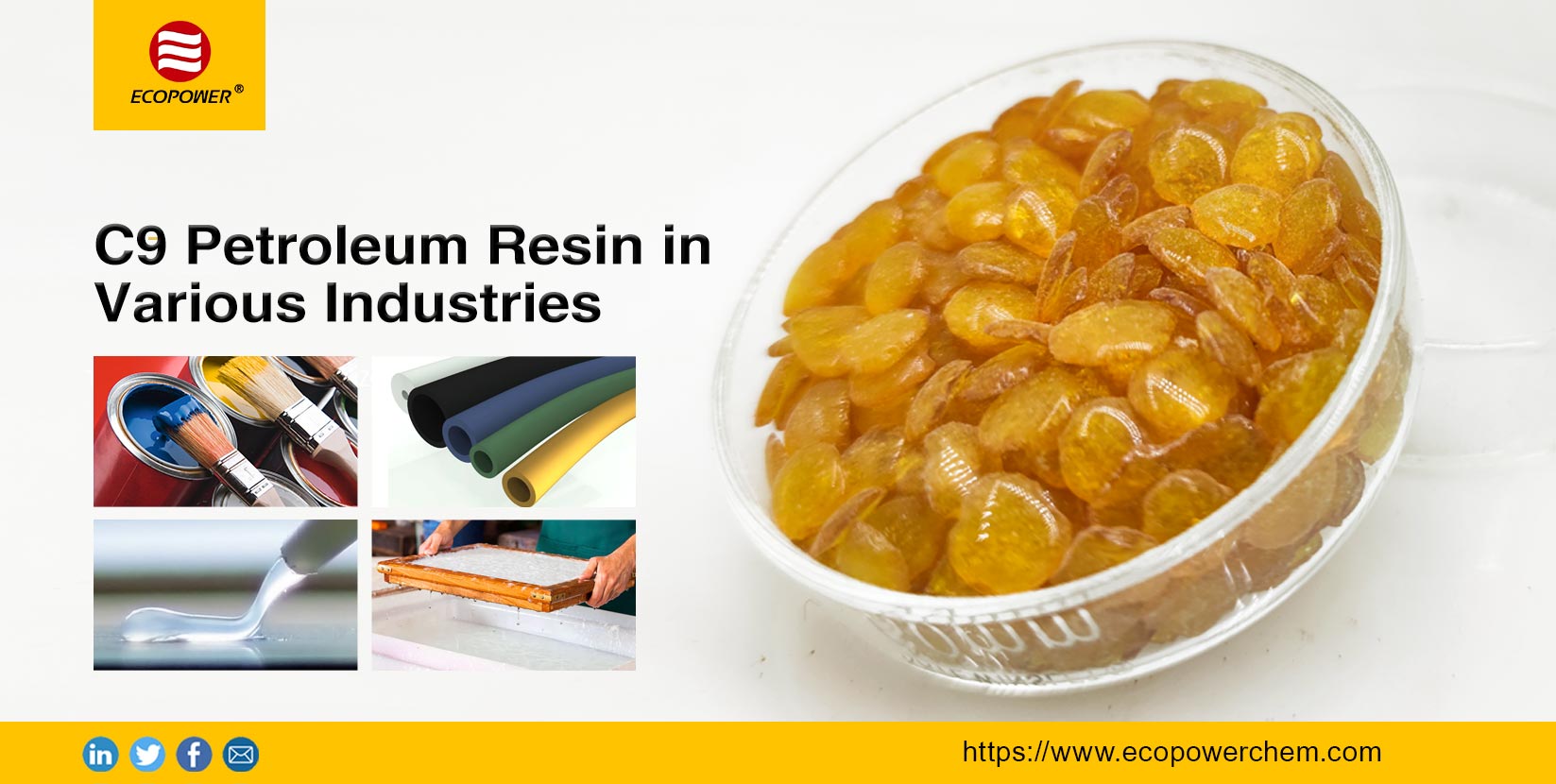
  • C9 petroleum resin is a kind of thermoplastic oligomer, and its production process will involve treatment process, polymerization process and distillation process, etc. C9 petroleum resin has a relatively low acid value, good miscibility, and water resistance, chemical resistance and ethanol resistance and other advantages, its chemical properties are relatively stable, it can be used as a regulator and modifier in the fields of coatings, paints, rubber and other fields to improve the performance of various products. In many chemical industries, the application effect of C9 petroleum resin is very good, and it has become an indispensable product.   Petroleum resin is a new type of chemical raw material developed in recent years. It has low price, good miscibility, low melting point, water resistance, ethanol resistance, chemical and other properties, and is widely used in rubber, adhesives, coatings, and papermaking, ink and other industries and applications.   Petroleum resin refers to a thermoplastic resin made from the by-products C5 and C9 fractions of petroleum cracking through pretreatment, polymerization, distillation and other processes.   C9 Petroleum Hydrocarbon Resin Application Base Polymer Product Recommended Carton Sealing Adhesive EVA HC9110 Woodworking Adhesive EVA HC9110, HC9120, HC9130 Hot Melt Adhesive Film EVA HC9110, HC9120 Shoe Adhesive SBS, CR HC9120, HT9100 Alkyd Paint Long oil alkyd resin HC9120, HT9120 Aluminium Paint Aluminium paste HC9100, HC9120 Off-Set Printing Ink Phenolic resin HC9120, HC9140, HC9120, HT9140 Rubber Compounding NR, SBR HC9100, HT9100 Asphalt Modification Asphalt HC9120, HC9140, HC9150, HT9120, HT9140 Concrete Wax, Solvents HC9100, HC9120, HT9120

  • Silane oligomer is a compound composed of organic matter and silicon. In the molecule of the silane coupling agent, there are two or more different reactive groups capable of chemically bonding with an inorganic material and capable of chemically bonding with an organic material. Usually, it is difficult to combine organic materials and inorganic materials, but the silane coupling agent becomes the combination medium between the two and plays an active role.   » Chemical multifunctionality The introduction of various functional groups, such as the organic combination of vinyl, epoxy, amino, alkyl, acryloyloxy and other groups, greatly expands the application field and functional utility of the product. » Security and Stability High flash point, generally greater than 95°C, safe for transportation and use; usually can exist stably in solution system or water-based system, avoiding the defect of ready-to-use monomer silane.   » More effective Monosilane molecules are designed in advance according to the mechanism requirements, and then hydrolyzed and condensed to achieve the required oligomer molecules, so that the use is more uniform and efficient. » Environmental protection, VOC reduction or no VOC emission The emission of alcohol compounds is greatly reduced (low organic volatile VOC), and the water-based silane basically has no voc emission.

Leave A Message

Leave A Message
If you are interested in our products and want to know more details, please leave a message here, we will reply you as soon as we can.
Submit
Contact Us:+86 138 0279 3127

Home

Products

whatsApp

contact