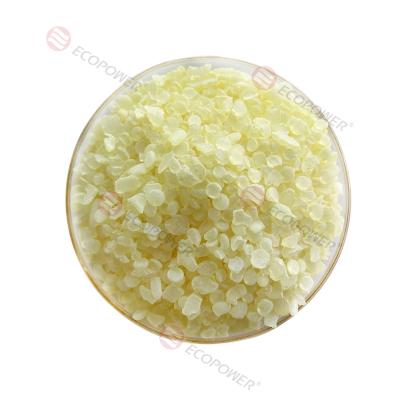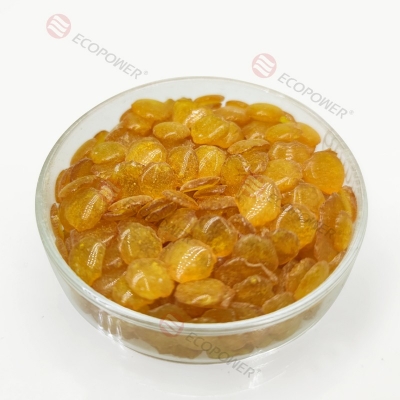
C9 hydrocarbon resin is made by C9 fraction, through catalytic-polymerization. It's a granular solid with the color of light yellow to light brown,it has the properties of good solubility, mutual solubility, water resistance, insulation and very good chemical stability over acid and alkali, and good adhesive strength and lower heat conduction.
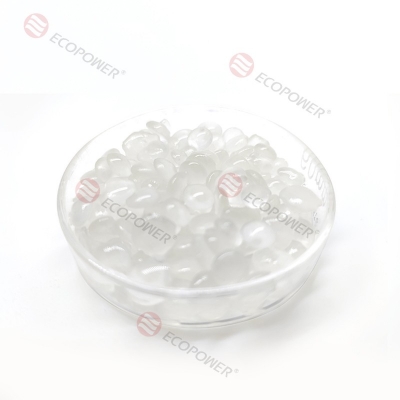
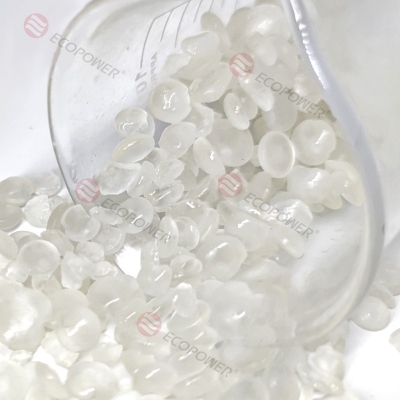
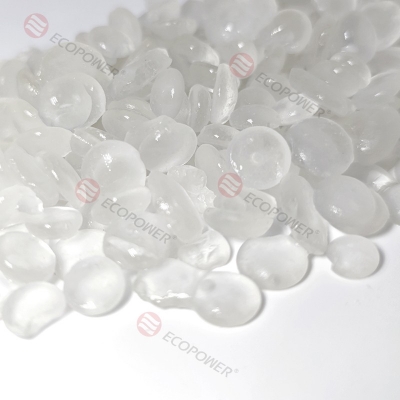
Hydrogenated resin: water-white, odor-free granules made by saturating C5, C9 or DCPD feedstock, offering low VOC, UV/heat resistance and tailor-made softening points (80–140 °C) for precise, high-performance solutions in adhesives, tires, coatings and sealants.
Hydrogenated dicyclopentadiene resins affect adhesive performance when used as tackifiers in styrene-block-copolymer-based hot-melt pressure-sensitive adhesives.
Felcosil-300 Silica with high oil absorption property and high transparency. It finds application in various areas such as pesticides, dry powder fire extinguishers, and more. Additionally, it exhibits reinforcement properties, making it suitable for manufacturing high transparency rubber products.
Aromatic resins (C9 resins) are made from C9 hydrocarbon aromatics. Their composition depends on the hydrocarbon raw material (coal tar, crude oil). The softening points of these resins range over a wide range. Compared to C5 resins, they have a higher melt viscosity, are darker in color (dark yellow to brown) and have a higher softening point ranging from about 100 to 150°C. C9 resins are versatile resins that are compatible with many polymers.
Precipitated silica, a form of synthetic amorphous silicon dioxide, is derived from quartz sand, a crystalline form of silicon dioxide. The physical properties of precipitated silica can be manipulated during the manufacturing process to deliver products with a wide range of performance-enhancing features engineered for many different end-use applications.
White granular form, Precipitated Silica White Granular Silica can be dissolved by NaOH,HF. Other kinds of acid, water and solvents can not dissolve the product.